Soils are the foundation of terrestrial ecosystems. They provide essential ecosystem services such as the control of pathogens, food production, and more. Soil functioning leads to the storage or release of potent greenhouse gases (GHGs): CO₂, N₂O, and CH₄. The soil microbiome (fungi and bacteria) is considered the main driver of the production of these gases, which arise as by-products of its activity. The activity of the microbiome is regulated by the micro- and mesofauna: small invertebrates that either feed directly on microorganisms or consume dead organic matter. In the BoTiKI project, we aim to decipher the role of soil fauna and investigate its value as an indicator of GHG fluxes from soils.
Böden sind die Grundlage terrestrischer Ökosysteme. Sie erbringen wichtige Ökosystemleistungen wie die Bekämpfung von Krankheitserregern, die Nahrungsmittelproduktion und vieles mehr. Die Bodenfunktion führt zur Speicherung oder Freisetzung starker Treibhausgase (THG): CO₂, N₂O und CH₄. Das Bodenmikrobiom (Pilze und Bakterien) gilt als Haupttreiber für die Produktion dieser Gase, die als Nebenprodukte seiner Aktivität entstehen. Die Aktivität des Mikrobioms wird durch die Mikro- und Mesofauna reguliert: kleine Wirbellose, die sich entweder direkt von Mikroorganismen ernähren oder tote organische Stoffe verzehren. Im BoTiKI-Projekt wollen wir die Rolle der Bodenfauna entschlüsseln und ihren Wert als Indikator für Treibhausgasflüsse aus Böden untersuchen.
Les sols constituent le fondement des écosystèmes terrestres. Ils fournissent des services écosystémiques essentiels tels que le contrôle des agents pathogènes, la production alimentaire, etc. Le fonctionnement des sols entraîne le stockage ou le rejet de puissants gaz à effet de serre (GES) : CO₂, N₂O et CH₄. Le microbiome du sol (champignons et bactéries) est considéré comme le principal moteur de la production de ces gaz, qui sont des sous-produits de son activité. L'activité du microbiome est régulée par la microfaune et la mésofaune : de petits invertébrés qui se nourrissent directement de micro-organismes ou consomment des matières organiques mortes. Dans le cadre du projet BoTiKI, nous cherchons à déchiffrer le rôle de la faune du sol et à étudier son intérêt en tant qu'indicateur des flux de GES provenant des sols.
मिट्टी स्थलीय पारिस्थितिक तंत्रों की नींव है। यह रोगजनकों से लड़ने, खाद्य उत्पादन और भी बहुत कुछ जैसी महत्वपूर्ण पारिस्थितिकी तंत्र सेवाएँ प्रदान करती है। मिट्टी का कार्य शक्तिशाली हरितगृह गैसों (GHGs): CO₂, N₂O और CH₄ के भंडारण या विमोचन की ओर ले जाता है। मिट्टी माइक्रोबायोम (फफूंद और बैक्टीरिया) को इन गैसों के उत्पादन का मुख्य चालक माना जाता है, जो इसकी गतिविधि के उप-उत्पाद हैं। माइक्रोबायोम की गतिविधि का विनियमन माइक्रो- और मेसोफ़ाउना द्वारा किया जाता है: छोटे कशेरुकहीन जीव जो या तो सीधे सूक्ष्मजीवों को खाते हैं या मृत कार्बनिक पदार्थ का उपभोग करते हैं। BoTiKI परियोजना में, हमारा लक्ष्य मृदा जीव-जंतुओं की भूमिका को समझना और मृदा से हरितगृह गैस प्रवाह के संकेतक के रूप में इसके मूल्य की जांच करना है।
Analysing samples of soil fauna in fluid is a time consuming task. We are developing a streamlined computer-vision workflow allowing to digitize efficiently collection tubes full of specimens. We are aiming at an affordable, scalable and open-source solution, crafted to be convenient and integrated in the usual soil zoology practices.
Die Analyse von Bodenfauna-Proben in Flüssigkeit ist eine zeitaufwändige Aufgabe. Wir entwickeln einen optimierten Computer-Vision-Workflow, mit dem sich Probenröhrchen voller Exemplare effizient digitalisieren lassen. Unser Ziel ist eine kostengünstige, skalierbare und quelloffene Lösung, die benutzerfreundlich ist und sich in die üblichen Verfahren der Bodenzoologie integrieren lässt.
L'analyse d'échantillons de faune du sol dans un liquide est une tâche fastidieuse. Nous développons actuellement un processus simplifié de vision par ordinateur permettant de numériser efficacement des tubes de collecte remplis de spécimens. Nous visons une solution abordable, évolutive et open source, conçue pour être pratique et s'intégrer dans les pratiques habituelles de la zoologie des sols.
तरल में मिट्टी के जीव-जंतुओं के नमूनों का विश्लेषण एक समय-साध्य कार्य है। हम एक सुव्यवस्थित कंप्यूटर-विज़न वर्कफ़्लो विकसित कर रहे हैं, जो नमूनों से भरी संग्रह ट्यूबों को कुशलतापूर्वक डिजिटाइज़ करने की अनुमति देता है। हमारा लक्ष्य एक किफायती, स्केलेबल और ओपन-सोर्स समाधान तैयार करना है, जिसे मिट्टी की सामान्य प्राणीशास्त्र प्रथाओं में सुविधाजनक और एकीकृत किया जा सके।
Using computer vision, we count, classify and precisely estimate the biomass of tiny animals. Using high-throughput DNA approaches, we access their diversity at the genetic level. Our tube to tube pipeline makes our design flexible. A taxonomist can digitize its catches and safely recover the individuals for through inspection, an ecologist can use the results directly, the recover sample is ready for being put in collection, or can be used for processing in the molecular lab.
Mithilfe von Bildverarbeitung zählen, klassifizieren und schätzen wir präzise die Biomasse winziger Tiere. Mit Hilfe von Hochdurchsatz-DNA-Verfahren ermitteln wir ihre Vielfalt auf genetischer Ebene. Unsere „Tube-to-Tube”-Pipeline macht unser Design flexibel. Ein Taxonom kann seine Fänge digitalisieren und die Individuen sicher für eine gründliche Untersuchung wiederherstellen, ein Ökologe kann die Ergebnisse direkt nutzen, die wiederhergestellte Probe kann in die Sammlung aufgenommen oder für die Verarbeitung im Molekularlabor verwendet werden.
Grâce à la vision par ordinateur, nous comptons, classons et estimons avec précision la biomasse de minuscules animaux. À l'aide d'approches ADN à haut débit, nous évaluons leur diversité au niveau génétique. Notre pipeline tube à tube rend notre conception flexible. Un taxonomiste peut numériser ses captures et récupérer les individus en toute sécurité pour les inspecter, un écologiste peut utiliser directement les résultats, l'échantillon récupéré est prêt à être ajouté à la collection ou peut être utilisé pour être traité dans le laboratoire moléculaire.
कंप्यूटर विज़न का उपयोग करके, हम सूक्ष्म जानवरों की गिनती, वर्गीकरण और उनके जैव द्रव्यमान का सटीक अनुमान लगाते हैं। उच्च-प्रवाह डीएनए विधियों का उपयोग करके, हम उनकी आनुवंशिक स्तर पर विविधता का अध्ययन करते हैं। हमारी ट्यूब-टू-ट्यूब पाइपलाइन हमारे डिज़ाइन को लचीला बनाती है। एक वर्गीकरण विज्ञानी अपने संग्रहित नमूनों को डिजिटाइज़ कर सकता है और निरीक्षण के लिए व्यक्तियों को सुरक्षित रूप से पुनः प्राप्त कर सकता है, एक पारिस्थितिकी विज्ञानी सीधे परिणामों का उपयोग कर सकता है, पुनः प्राप्त नमूना संग्रह में रखने के लिए तैयार होता है, या आणविक प्रयोगशाला में प्रसंस्करण के लिए इस्तेमाल किया जा सकता है।
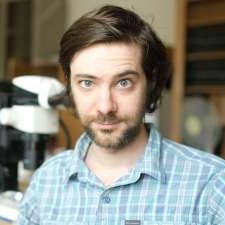
Project leader (SGN) and coordinator, soil zoology and ecology

Project leader (HSZG), computer vision
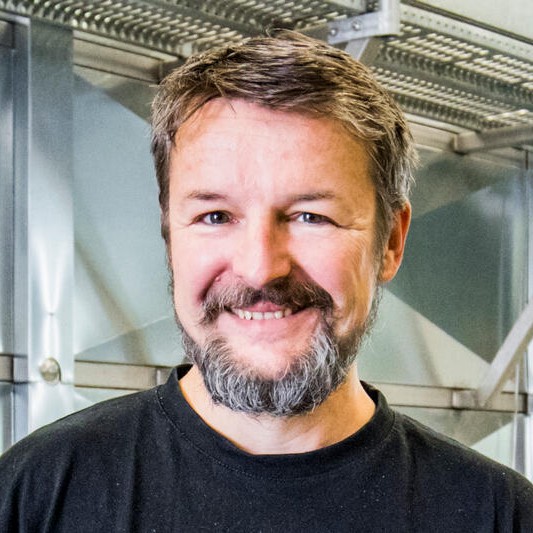
Labortechniker (HSZG), computer vision

Post-doctorant (SNG), computer vision and modelling

Technical assistant (SGN), soil zoology
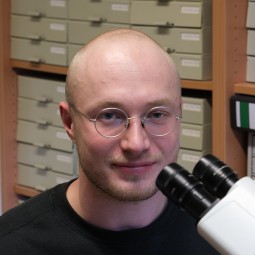
Student assistant (SGN), soil zoology